Tornyol (YC F25) · Hardware Engineering Intern · May to August 2026
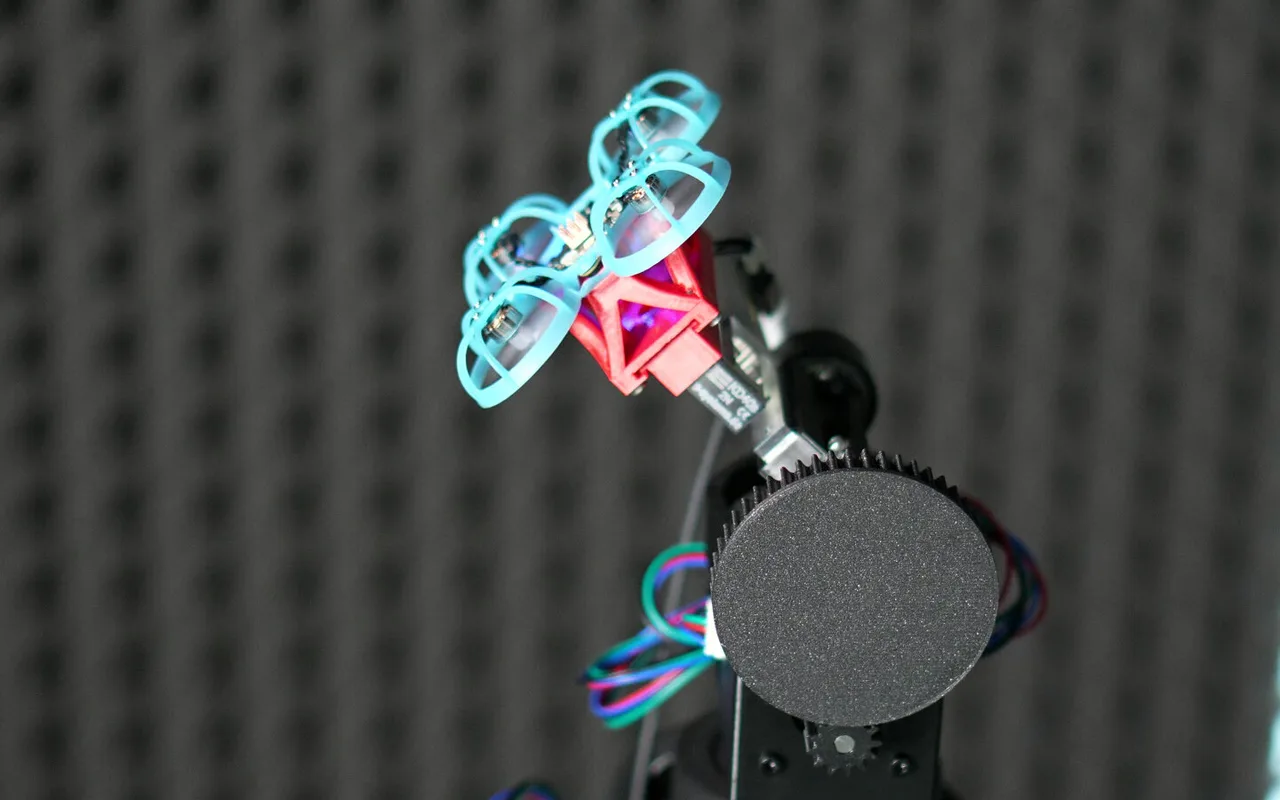
22 × 22 mm drone flight controller
- Size
- 22 × 22 mm
- Layers
- 6
- MCU
- STM32G473
- ESCs
- 4 × EFM8BB51
- Power
- 1S LiPo or 2S supercaps
- Firmware
- Betaflight
I designed a new flight controller end to end: schematic, part selection, layout and routing of a 6-layer board. It carries an STM32G473, an integrated high-speed gyro, flash memory, the power supplies and four custom ESCs (EFM8BB51, flashed over C2) with their half-bridge power stages. It runs on a 1S LiPo or a 2S supercapacitor pack.
It replaced the BetaFPV Matrix 1S 5in1 II the team flew before, as a drop-in. The goals were a lower cost, no video transmitter, and supercapacitor power. After two iterations in two months, the prototype flew.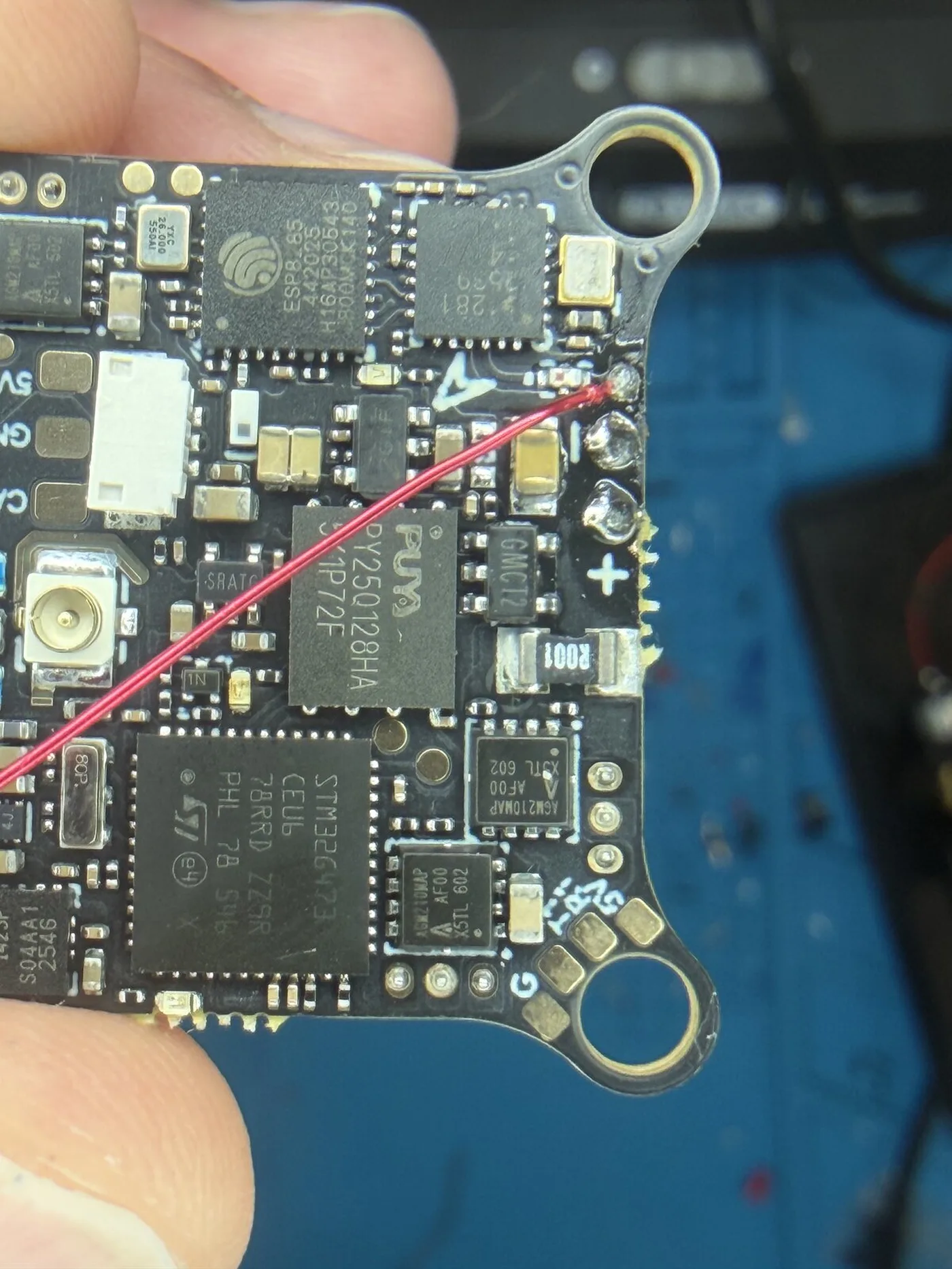
A burned power stage. On the first board, the ESC power stages burned their FETs because the high-side switch could never turn off. I found the cause in LTspice. The 1S revision uses a P-channel high side. The 2S revision uses two N-channel FETs with a bootstrap supply and an NPN transistor to turn the high side off, simulated first. Both revisions worked with the motors spinning.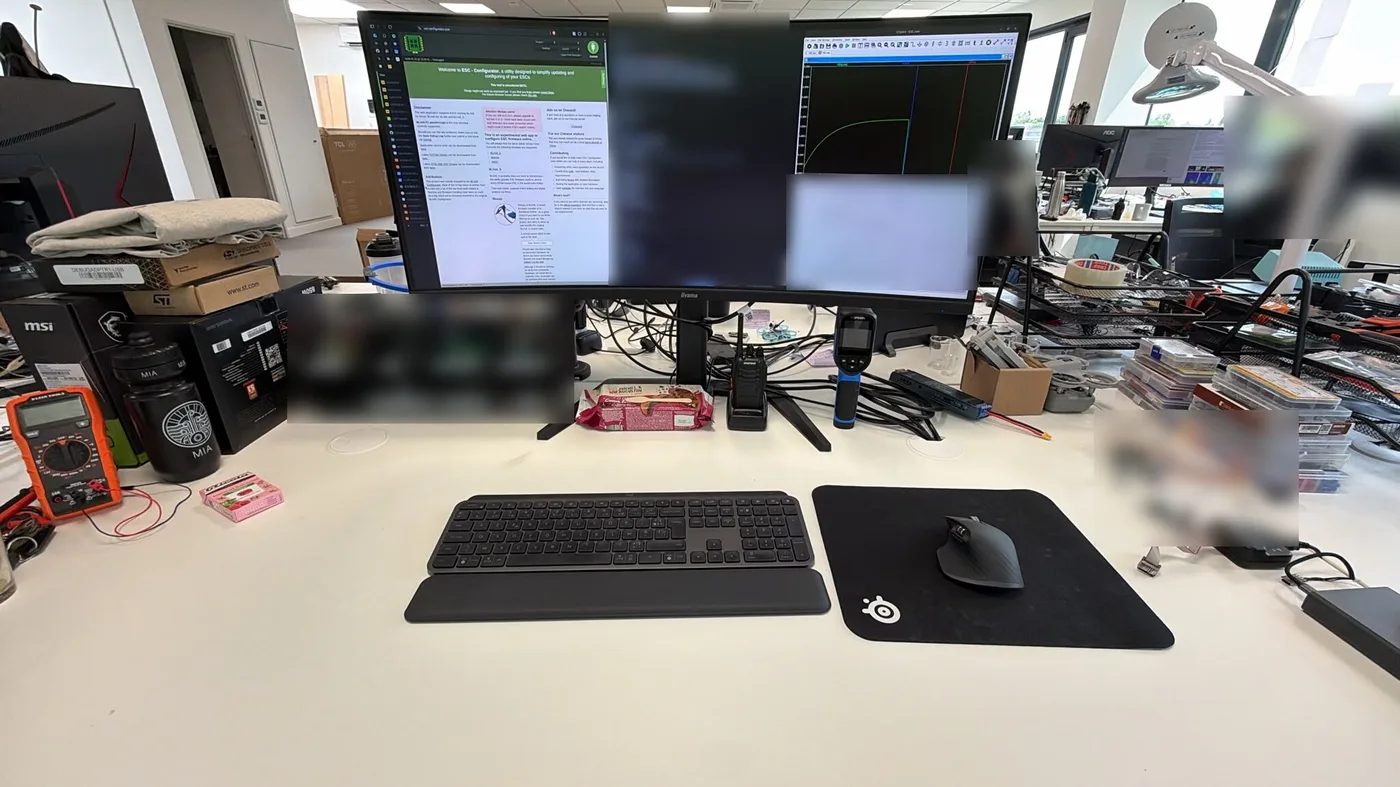
The flight controller runs Betaflight and the ESCs run Bluejay, flashed over C2, so this project was hardware work. The board is confidential, so there is no photo of it here.